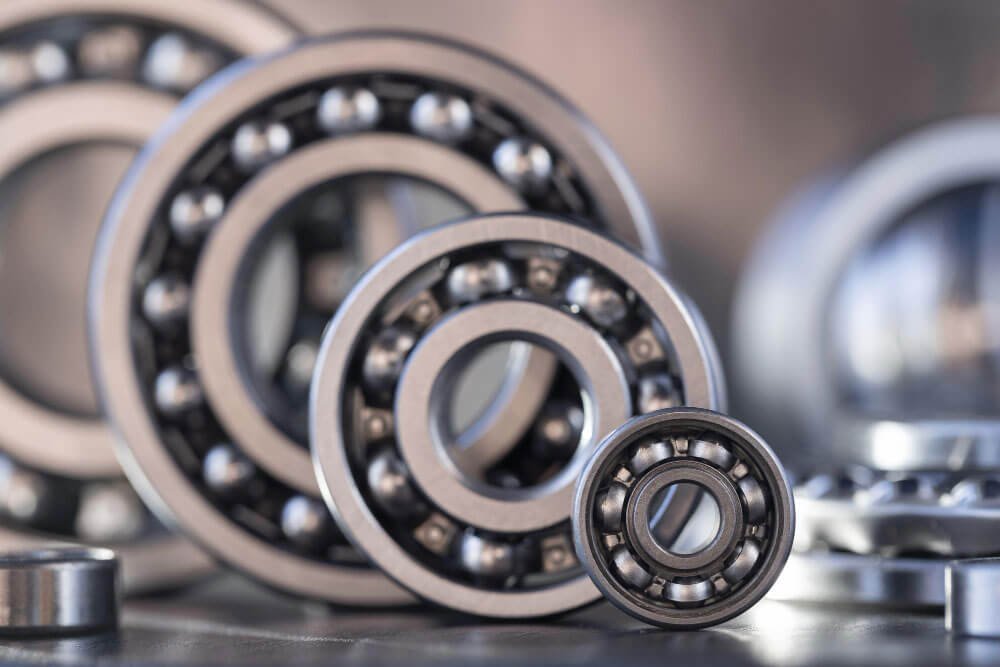
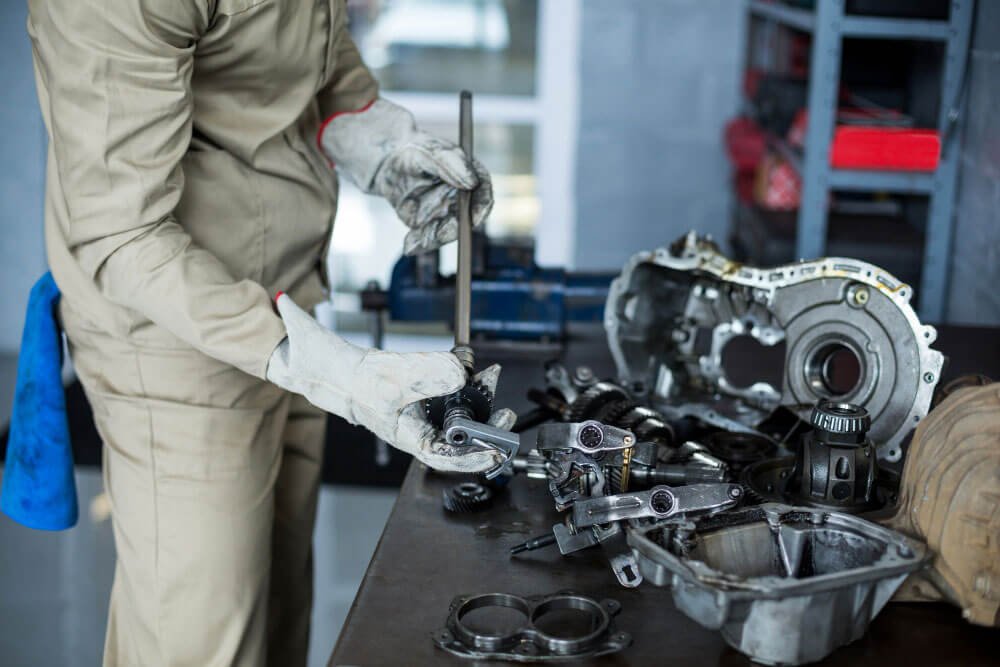
Industrial bearings are one of the most essential mechanical components used across various industries to ensure smooth and efficient machine operation. They are specifically designed to reduce friction between moving parts while supporting rotating shafts and allowing machinery to operate with greater precision, stability, and reliability. Whether it is a manufacturing plant, automotive production facility, mining operation, construction equipment, agricultural machinery, power generation plant, or food processing industry, bearings play a crucial role in maintaining productivity and minimizing operational disruptions. Although bearings are relatively small components, their performance directly influences the overall efficiency, safety, and lifespan of industrial equipment.
Choosing the correct bearing is not as simple as selecting one based on dimensions or availability. Every industrial application has unique operating conditions that require careful evaluation before making a selection. Factors such as load capacity, rotational speed, operating temperature, environmental conditions, lubrication methods, mounting arrangements, shaft alignment, and expected service life all affect bearing performance. A bearing that performs exceptionally well in one application may fail prematurely in another if these conditions are overlooked. This is why engineers and maintenance professionals invest considerable time in selecting the most suitable bearing for each application.
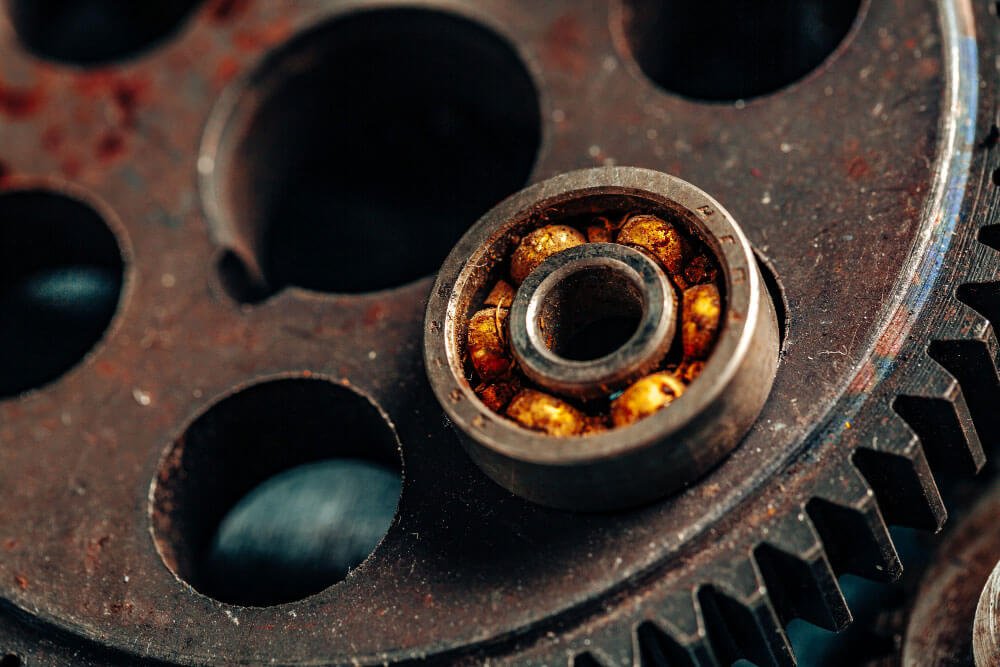
An incorrectly selected bearing can lead to excessive vibration, overheating, premature wear, increased energy consumption, shaft misalignment, frequent maintenance, and unexpected machine breakdowns. These failures not only increase repair costs but also result in production losses due to unplanned downtime. On the other hand, selecting the right bearing significantly improves machine efficiency, reduces maintenance expenses, increases equipment reliability, and extends operational life. Understanding the key factors involved in bearing selection allows businesses to maximize equipment performance while achieving long-term cost savings.
Understanding Different Types of Bearings
Before selecting a bearing, it is important to understand the various bearing types available in the market. Every bearing is engineered to perform under specific operating conditions, and selecting the appropriate type is the foundation of a reliable machine design.
Deep groove ball bearings are among the most commonly used bearings because of their versatility and ability to support both radial and moderate axial loads. They are widely used in electric motors, pumps, industrial fans, compressors, conveyors, and household machinery due to their low friction and high-speed capabilities. These bearings offer excellent performance in applications requiring smooth and continuous rotation.
Angular contact ball bearings are specially designed for applications where both radial and axial loads are present simultaneously. They are commonly found in machine tools, automotive gearboxes, precision manufacturing equipment, and CNC machines where accurate shaft positioning and high-speed performance are essential. Their design enables them to handle higher axial loads compared to standard deep groove ball bearings.
Cylindrical roller bearings are suitable for heavy radial loads and are widely used in steel plants, paper mills, heavy-duty industrial machinery, and power transmission systems. Their roller design provides a larger contact area, enabling them to carry significantly higher loads while maintaining long service life.
Spherical roller bearings are ideal for applications where shaft misalignment or deflection may occur during operation. Industries such as mining, cement manufacturing, quarrying, and construction rely heavily on spherical roller bearings because they can accommodate both heavy loads and alignment variations without compromising performance.
Tapered roller bearings are specifically designed to support combined radial and axial loads. They are extensively used in automotive wheel hubs, industrial gearboxes, agricultural machinery, and heavy construction equipment where durability and load-carrying capacity are critical.
Needle roller bearings feature long, slender rollers that provide high load capacity while occupying minimal installation space. They are commonly used in automotive transmissions, compact industrial machines, and equipment where space constraints are a significant consideration.
Understanding the strengths and limitations of each bearing type helps engineers select the most appropriate solution for their machinery while ensuring reliable long-term performance.
Evaluate Load Requirements
Load analysis is one of the most important aspects of bearing selection because every industrial machine generates forces that the bearing must continuously support throughout its operating life. Selecting a bearing without properly understanding the load conditions often results in premature failure and costly downtime.
Radial loads act perpendicular to the shaft and are commonly generated in conveyors, electric motors, industrial fans, pumps, compressors, and many rotating machines. Bearings designed primarily for radial loads provide excellent stability and long service life in these applications.
Axial loads, also known as thrust loads, act parallel to the shaft axis. Applications such as screw conveyors, vertical pumps, gear assemblies, and rotary tables generate substantial axial forces that require specially designed thrust bearings or angular contact bearings capable of supporting these loads effectively.
Many industrial machines experience combined radial and axial loads simultaneously. Automotive transmissions, industrial gearboxes, machine tools, and agricultural equipment are examples where bearings must withstand forces acting in multiple directions at the same time. In these cases, selecting a bearing specifically designed for combined loading conditions becomes essential.
Load magnitude is equally important. Some machines operate under constant steady loads, while others experience dynamic loads, impact loads, or sudden shock forces during operation. Heavy mining equipment, crushers, construction machinery, and steel manufacturing plants frequently subject bearings to extreme operating conditions. Bearings selected for these applications should possess higher dynamic load ratings and robust internal construction to ensure reliable performance even under severe working environments.
Accurate load analysis enables engineers to calculate bearing life more precisely while reducing the risk of unexpected equipment failure and minimizing maintenance costs.
Consider Operating Speed
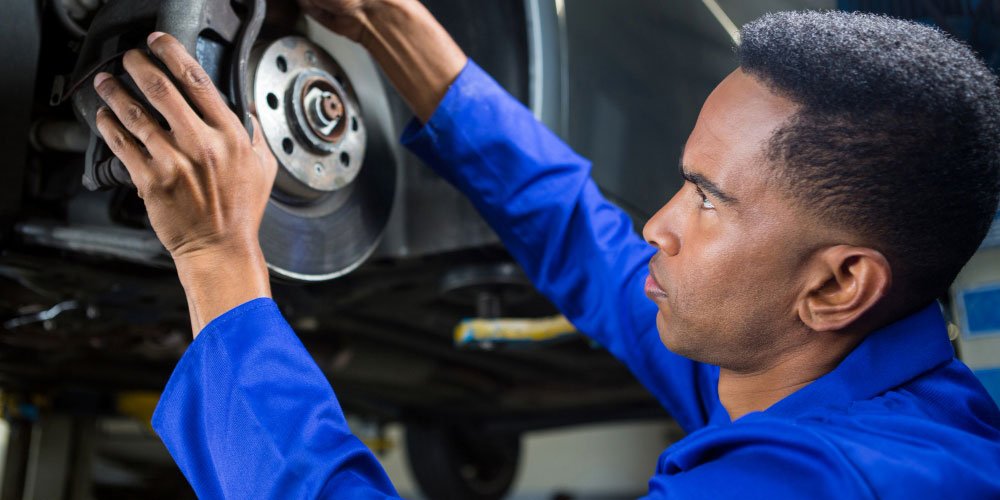
Operating speed plays a vital role in determining the most suitable bearing for an industrial application. As machine speed increases, the bearing experiences greater friction, resulting in higher operating temperatures. Excessive heat generation can accelerate lubricant breakdown, increase wear, and significantly reduce bearing life if not properly managed.
High-speed equipment such as electric motors, textile machinery, precision spindles, CNC machines, compressors, turbines, and centrifugal pumps generally require bearings with low rolling resistance and high rotational accuracy. Deep groove ball bearings and angular contact ball bearings are commonly selected for these applications because they generate less friction while maintaining smooth operation at elevated speeds.
Conversely, heavy-duty industrial equipment including crushers, rolling mills, mining conveyors, and construction machinery typically operates at lower rotational speeds but under significantly heavier loads. Roller bearings are generally preferred in these applications because they provide greater load-carrying capacity and superior durability despite operating at slower speeds.
Manufacturers specify limiting speeds for every bearing based on design, material, cage construction, lubrication method, and operating conditions. Engineers should always ensure that the selected bearing can comfortably operate above the expected machine speed while maintaining an adequate safety margin.
Speed also directly influences lubrication requirements. High-speed applications often require premium-quality grease or circulating oil lubrication systems capable of reducing friction and dissipating heat efficiently. Selecting the proper combination of bearing design and lubrication system helps improve energy efficiency, reduce operating temperatures, and extend overall bearing life.
Why Choose ASR MotionTech for Industrial Bearings
Selecting the right supplier is just as important as selecting the right bearing. At ASR MotionTech, we understand that every industrial application has unique performance requirements. Our extensive product portfolio includes deep groove ball bearings, roller bearings, taper roller bearings, pillow block bearings, linear motion products, bearing accessories, and complete power transmission solutions sourced from trusted global manufacturers.
Every product undergoes strict quality inspection to ensure reliability, dimensional accuracy, and long service life. Our experienced technical team assists customers in selecting the most suitable bearing based on application requirements, operating conditions, and industry standards. Whether you require OEM components, private label manufacturing, or bulk industrial supply, ASR MotionTech provides dependable solutions backed by global sourcing capabilities, competitive pricing, and responsive customer support.
Conclusion
Choosing the right bearing for industrial applications requires careful consideration of multiple factors, including load capacity, operating speed, environmental conditions, bearing material, lubrication, installation methods, and maintenance practices. A well-selected bearing not only enhances machine performance but also reduces energy consumption, minimizes downtime, and extends equipment life. Investing time in proper bearing selection ultimately leads to improved productivity, lower maintenance costs, and greater operational efficiency.
At ASR MotionTech, we are committed to delivering high-quality industrial bearings and power transmission solutions that meet the evolving needs of modern industries. Whether your business operates in manufacturing, automotive, mining, agriculture, construction, food processing, or heavy engineering, our team is ready to help you identify the ideal bearing solution for your specific application. With reliable products, technical expertise, and customer-focused service, ASR MotionTech is your trusted partner for long-lasting industrial performance.