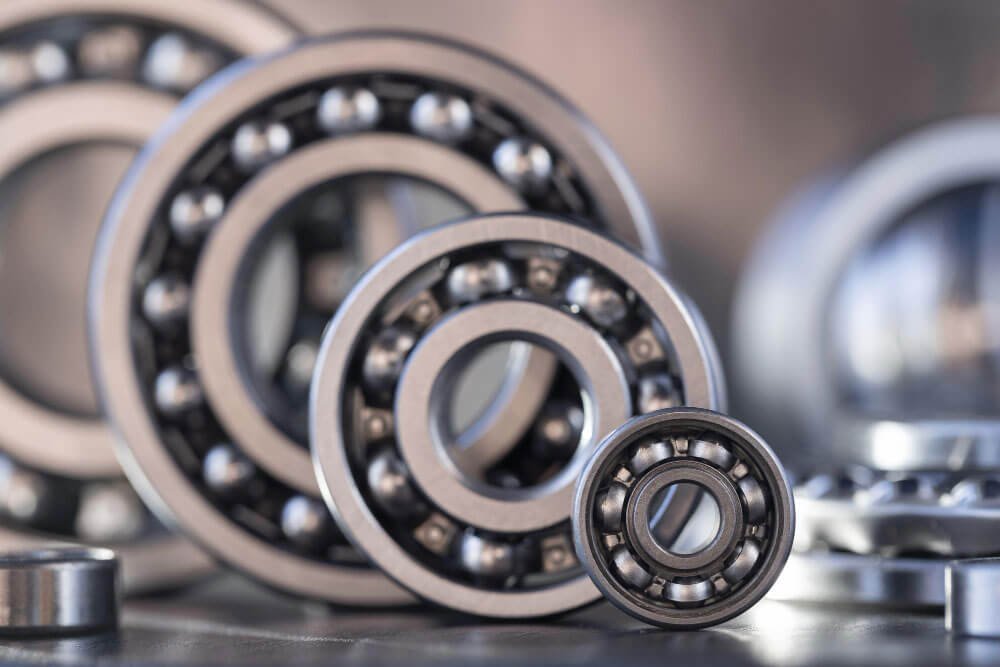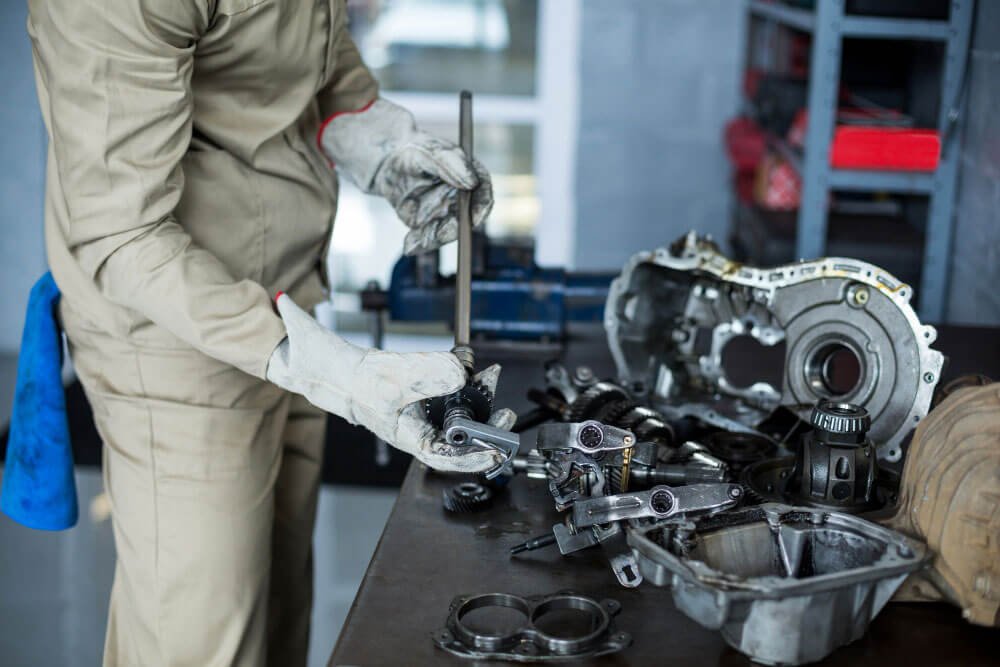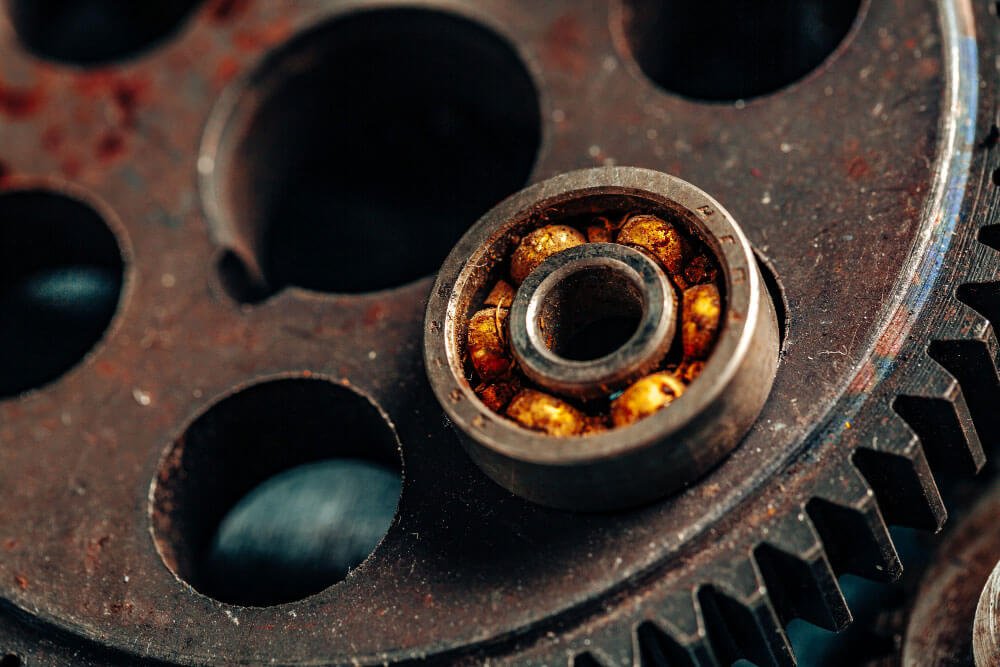
The global industrial bearing market has evolved significantly over the past decade, offering businesses more sourcing options than ever before. Manufacturers, distributors, wholesalers, and industrial suppliers are no longer limited to purchasing only well-known bearing brands. Today, companies can choose between Original Equipment Manufacturer (OEM) bearings and Private Label bearings depending on their business objectives, quality requirements, branding strategy, and budget. While both options deliver reliable performance when sourced from trusted manufacturers, they serve different purposes and provide unique advantages.
For many businesses, understanding the difference between OEM and Private Label bearings is essential before making a purchasing decision. Selecting the right option affects product quality, customer satisfaction, brand value, pricing strategy, and long-term business growth. Some industries require bearings that meet the exact specifications of original equipment manufacturers, while others prefer customized products carrying their own brand identity. Both approaches have become increasingly popular across industries such as automotive, agriculture, construction, manufacturing, mining, power transmission, material handling, and industrial automation.
Whether you are a machine manufacturer looking for precision-engineered components or a distributor planning to launch your own bearing brand, knowing the differences between OEM and Private Label bearings will help you make an informed investment. This guide explains how each option works, their benefits, key differences, and how to determine which solution best suits your business requirements.
What Are OEM Bearings?
OEM stands for Original Equipment Manufacturer. OEM bearings are manufactured according to the precise engineering specifications required by the original machinery manufacturer. These bearings are designed to match the exact dimensions, materials, tolerances, load capacities, and performance standards established during the original machine design. They are intended to provide the same level of reliability, durability, and operational efficiency as the bearings installed when the equipment was first manufactured.
OEM bearings are widely used by machinery manufacturers producing equipment for industries such as automotive, aerospace, agriculture, mining, heavy engineering, construction, packaging, and industrial manufacturing. Since these bearings are built according to strict technical specifications, they ensure compatibility with existing equipment and help maintain original machine performance.
One of the biggest advantages of OEM bearings is consistency. Every bearing manufactured under OEM specifications undergoes rigorous quality control processes to ensure dimensional accuracy, material quality, hardness, and performance standards remain consistent throughout production. This level of precision reduces installation issues, minimizes machine downtime, and extends equipment lifespan.
OEM bearings are especially valuable in industries where machinery operates under demanding conditions and where even minor dimensional variations can affect machine performance. Although OEM products often involve a higher initial investment, they provide long-term reliability, lower maintenance costs, and dependable performance throughout the equipment’s service life.
What Are Private Label Bearings?
Private Label bearings are industrial bearings manufactured by an experienced producer but sold under another company’s brand name rather than the manufacturer’s own identity. In this business model, the buyer controls the branding, packaging, labeling, marketing, and customer experience while the manufacturing is handled by a specialized bearing manufacturer.
Private Label manufacturing has become increasingly popular among distributors, wholesalers, importers, industrial suppliers, and trading companies seeking to establish their own product brands without investing in expensive manufacturing facilities. Instead of building factories and production lines, businesses collaborate with trusted manufacturers capable of producing high-quality bearings according to agreed specifications.
Private Label bearings provide excellent flexibility in product branding. Companies can customize packaging design, company logos, product labeling, barcode systems, instruction manuals, and even certain technical specifications depending on customer requirements. This allows businesses to create a professional product line that strengthens brand recognition and builds long-term customer loyalty.
When manufactured by experienced suppliers with strict quality control procedures, Private Label bearings can deliver performance comparable to many established market brands. As a result, many industrial distributors successfully compete in domestic and international markets while offering reliable products under their own brand identity.
Key Differences Between OEM and Private Label Bearings
Although OEM and Private Label bearings may sometimes be manufactured in the same production facilities, their business objectives and market positioning differ considerably. OEM bearings are designed primarily to meet the exact technical specifications of original equipment manufacturers. Their focus is precision engineering, guaranteed compatibility, and maintaining original machine performance. These bearings are commonly selected by machine manufacturers and industries where equipment reliability is critical.
Private Label bearings, on the other hand, emphasize branding and business growth. Instead of selling products under the manufacturer’s name, companies introduce bearings under their own trademark. This enables distributors and wholesalers to strengthen their market presence while building customer trust through consistent product quality and brand recognition.
Another important difference lies in customization. OEM manufacturing focuses on engineering specifications established by equipment manufacturers, whereas Private Label production offers greater flexibility in branding, packaging, labeling, and marketing. Businesses can develop unique product identities that differentiate them from competitors while maintaining reliable product performance.
Pricing strategies also vary. OEM bearings generally involve higher production standards and more stringent quality requirements, which may increase manufacturing costs. Private Label products often provide better pricing flexibility, allowing businesses to improve profit margins while remaining competitive in the marketplace.
Ultimately, both options serve different business models. The ideal choice depends on whether the priority is engineering compatibility or establishing an independent industrial brand.
Advantages of OEM Bearings
OEM bearings are widely recognized for their precision, consistency, and reliability. Since these bearings are manufactured according to the exact specifications of the original equipment manufacturer, they provide a perfect fit and maintain the intended performance of industrial machinery. Every aspect of the bearing—including dimensions, material composition, internal clearance, heat treatment, and load capacity—is carefully engineered to meet stringent quality standards.
One of the biggest advantages of OEM bearings is their ability to ensure consistent machine performance over an extended period. Industries such as automotive manufacturing, aerospace, heavy engineering, mining, power generation, and industrial automation often rely on OEM bearings because equipment failure in these sectors can lead to significant production losses and expensive repairs. By using bearings that match the original design specifications, businesses can minimize downtime, improve equipment reliability, and maintain operational efficiency.
OEM bearings also simplify maintenance because replacement components are fully compatible with existing machinery. Maintenance teams can install the bearing with confidence, knowing that it will perform exactly as intended without requiring design modifications or adjustments. Although OEM bearings may have a higher initial purchase cost, their long service life and dependable performance often result in lower overall operating costs.
Benefits of Private Label Bearings
Private Label bearings have become an increasingly popular choice for distributors, wholesalers, industrial suppliers, and businesses looking to establish their own brand in the global market. Instead of promoting another manufacturer’s brand, companies can sell high-quality bearings under their own company name, strengthening their market identity and building customer loyalty.
One of the greatest advantages of Private Label manufacturing is brand ownership. Businesses gain complete control over packaging, labeling, logo placement, product presentation, and marketing strategy. This creates a consistent brand image that customers recognize and trust. Over time, a well-established private label can become a valuable business asset that differentiates the company from competitors.
Private Label solutions also provide excellent flexibility in product selection. Companies can customize packaging sizes, labeling formats, instruction manuals, barcodes, and branding elements according to regional market requirements. This level of customization allows businesses to serve different customer segments while maintaining a professional appearance.
Another major advantage is improved profitability. Since businesses purchase directly from experienced manufacturers, they can often reduce sourcing costs while maintaining product quality. Higher profit margins combined with strong brand recognition make Private Label bearings an attractive option for companies seeking long-term business growth.
Which Option Is Right for Your Business?
Choosing between OEM and Private Label bearings depends entirely on your business model, target customers, and long-term objectives. If your company manufactures industrial machinery or supplies replacement components that must exactly match original equipment specifications, OEM bearings are generally the preferred choice. They provide precise engineering, guaranteed compatibility, and dependable performance required for critical industrial applications.
However, if your goal is to develop your own industrial brand, expand your distribution network, or increase profit margins, Private Label bearings offer significant business advantages. They allow companies to establish a recognizable market presence while offering reliable products backed by professional branding and customized packaging.
Many successful industrial businesses actually combine both strategies. They supply OEM bearings for customers requiring original specifications while simultaneously developing Private Label product lines for distributors and export markets. This balanced approach enables companies to serve multiple customer segments while diversifying revenue streams.
Before making a decision, businesses should evaluate factors such as product quality, supplier experience, technical support, production capacity, quality certifications, lead times, customization options, and long-term partnership opportunities. Working with a trusted manufacturer ensures that both OEM and Private Label products consistently meet customer expectations.
Conclusion
OEM and Private Label bearings each offer distinct advantages depending on your business objectives. OEM bearings are ideal for applications requiring exact engineering specifications, superior compatibility, and long-term equipment reliability. They are commonly used by machinery manufacturers and industries where precision and performance are essential.
Private Label bearings, on the other hand, enable businesses to establish their own brand identity, customize packaging, strengthen customer loyalty, and improve profit margins without investing in manufacturing infrastructure. When produced by experienced manufacturers following strict quality standards, Private Label bearings can deliver exceptional performance while supporting long-term business growth.
The key to success lies in selecting a trusted manufacturing partner capable of delivering consistent quality, technical expertise, flexible customization, and dependable customer support. ASR MotionTech proudly provides both OEM and Private Label bearing solutions, helping businesses worldwide achieve reliable performance, stronger branding, and sustainable growth in today’s competitive industrial market.