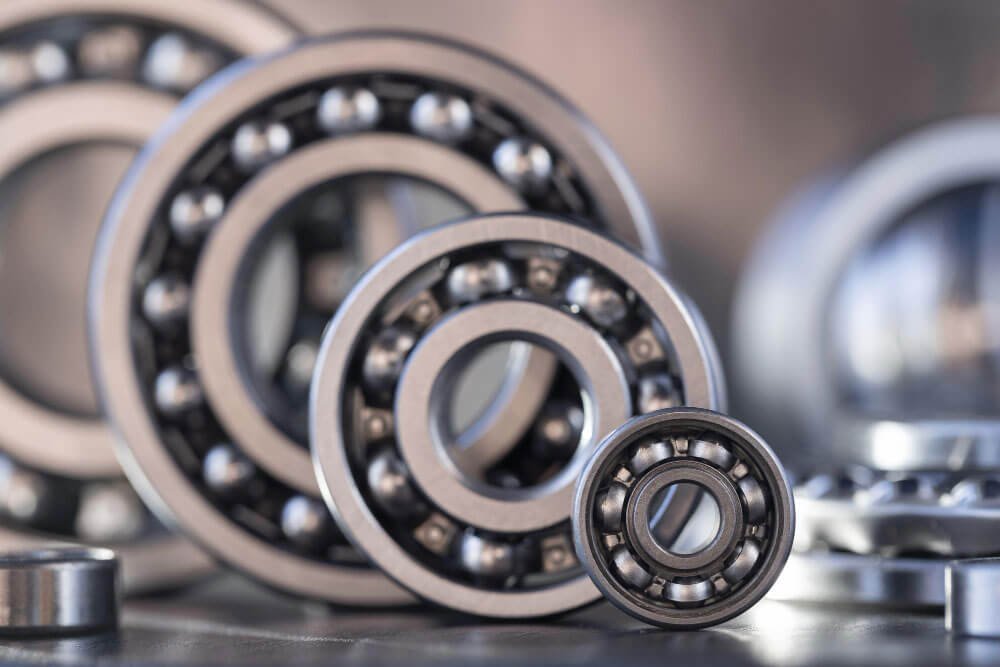
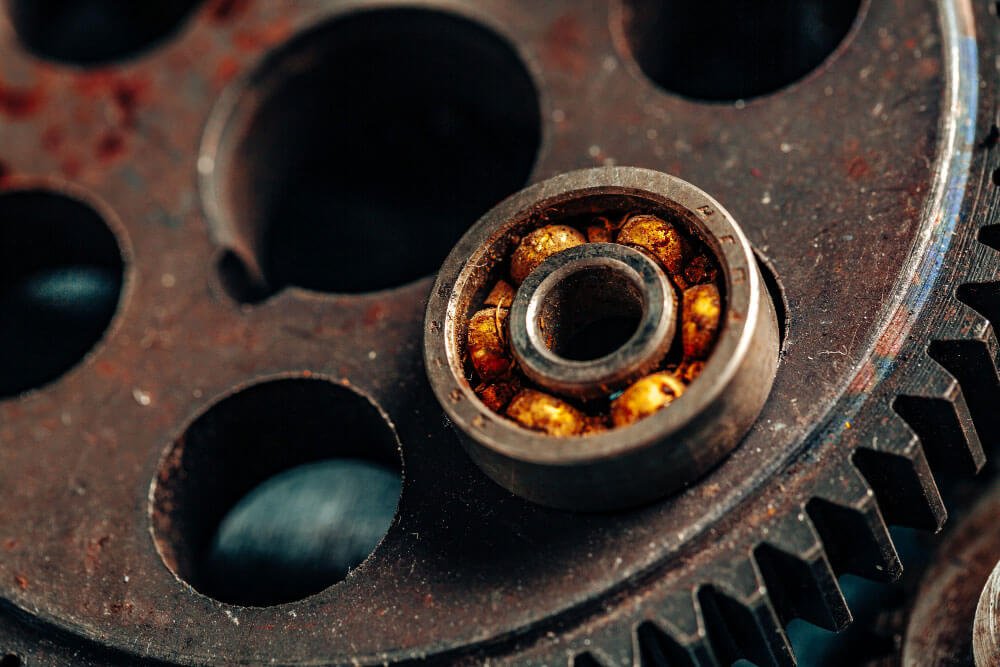
Bearings are among the most critical components in industrial machinery, ensuring smooth motion, reducing friction, and supporting rotating or moving parts under varying operating conditions. They are used extensively in manufacturing plants, automotive equipment, mining operations, construction machinery, power generation systems, agricultural equipment, and countless other industrial applications. Although bearings are designed to withstand demanding environments and heavy workloads, they are not immune to failure. In fact, bearing failure is one of the leading causes of unexpected machine breakdowns, resulting in costly repairs, production delays, increased maintenance expenses, and reduced operational efficiency.
Contrary to popular belief, most bearing failures are not caused by manufacturing defects. Industry studies show that a significant percentage of bearing failures result from improper installation, inadequate lubrication, contamination, excessive loading, poor maintenance practices, or incorrect bearing selection. These issues gradually damage the internal components of the bearing until it can no longer perform efficiently. Understanding the root causes of bearing failure is therefore essential for maintenance teams, engineers, and equipment operators who aim to maximize machine reliability and minimize downtime.
A failed bearing does not simply require replacement; it often indicates an underlying mechanical issue that must be addressed. Replacing the bearing without identifying the actual cause may result in repeated failures and unnecessary maintenance costs. Preventive maintenance, regular inspections, proper lubrication, and correct installation practices can significantly extend bearing service life while improving overall equipment performance.
This guide explores the most common causes of bearing failure, explains how each issue affects machine performance, and provides practical solutions to prevent premature bearing damage in industrial applications.
Inadequate or Improper Lubrication
One of the most common reasons for bearing failure is inadequate lubrication. Bearings rely on a thin layer of lubricant to separate the rolling elements from the raceways, reducing friction and preventing direct metal-to-metal contact. When lubrication is insufficient or the wrong type of lubricant is used, excessive friction develops inside the bearing. This friction generates heat, accelerates wear, damages internal surfaces, and eventually causes bearing failure.
Using excessive lubricant can be just as harmful as using too little. Over-greasing creates unnecessary pressure within the bearing, causing increased operating temperatures and seal damage. Similarly, using grease or oil that is unsuitable for the operating temperature, rotational speed, or environmental conditions can reduce lubrication effectiveness and shorten bearing life.
To prevent lubrication-related failures, industries should establish a scheduled lubrication program based on equipment operating conditions. Selecting high-quality lubricants recommended by the bearing manufacturer, monitoring lubricant condition, and avoiding contamination during lubrication are equally important. Automatic lubrication systems can further improve reliability by delivering the correct amount of lubricant at regular intervals, reducing the possibility of human error.
Contamination from Dust, Dirt, and Moisture
Contamination is another leading cause of premature bearing failure. Industrial environments often contain dust, abrasive particles, metal chips, chemicals, moisture, and water that can enter the bearing through damaged seals or improper handling. Once contaminants enter the bearing, they mix with the lubricant and create abrasive wear on the rolling elements and raceways.
Even microscopic particles can significantly reduce bearing life by increasing surface fatigue and generating excessive friction. Moisture contamination is particularly harmful because it causes corrosion, rust formation, lubricant degradation, and pitting on bearing surfaces. Food processing plants, mining operations, construction sites, and steel manufacturing facilities are especially vulnerable to contamination due to their harsh operating environments.
Preventing contamination begins with selecting bearings equipped with appropriate seals or shields designed for the application. Proper storage practices, clean installation procedures, and regular inspection of sealing systems help minimize contamination risks. Maintenance personnel should also ensure that lubricants remain clean during application and that damaged seals are replaced immediately to maintain bearing protection.
Improper Installation Practices
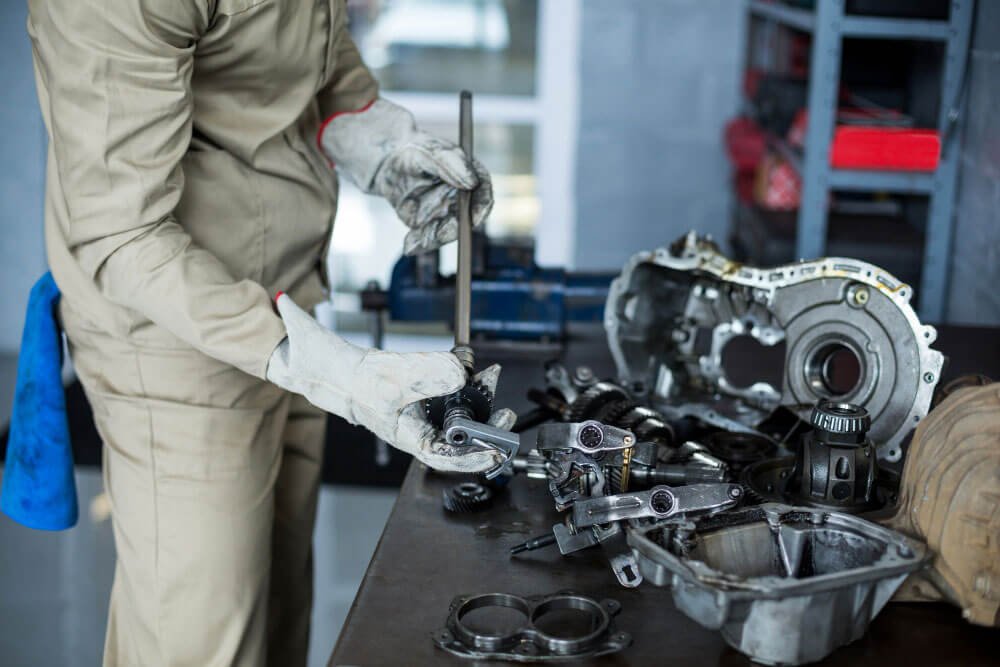
Even the highest-quality bearing cannot deliver reliable performance if it is installed incorrectly. Improper installation often causes invisible internal damage that eventually develops into premature bearing failure. Common installation mistakes include applying excessive force during mounting, using incorrect installation tools, striking bearings directly with a hammer, and installing bearings on damaged shafts or housings.
Incorrect mounting methods can create dents, cracks, and stress concentrations on the raceways and rolling elements. These defects may not be immediately visible but gradually develop into fatigue damage during operation. Misalignment during installation also increases uneven load distribution, causing localized wear, vibration, and overheating.
Proper installation requires clean working conditions, precision measuring instruments, and specialized mounting tools. Bearings should always be handled carefully to avoid contamination or physical damage. Following manufacturer installation guidelines and ensuring correct shaft and housing tolerances significantly improves bearing performance and reduces the likelihood of early failure.
Bearing Misalignment
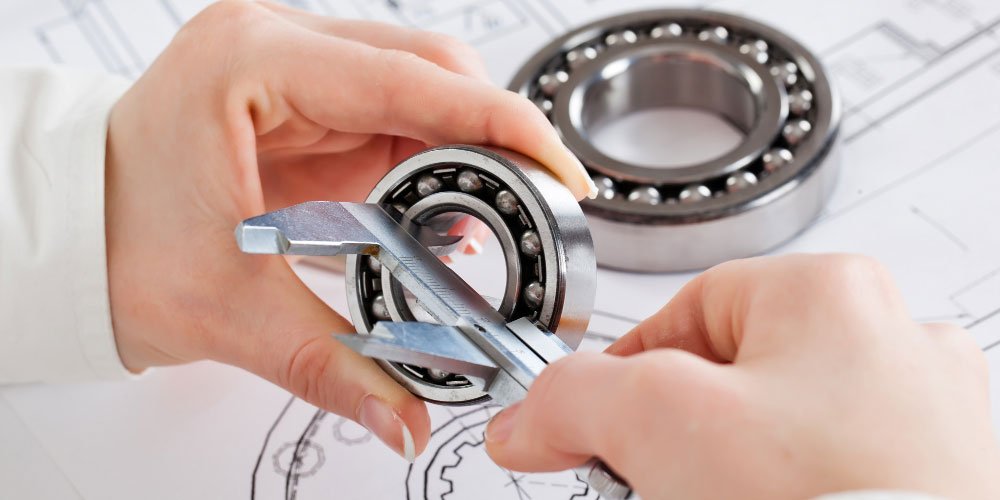
Misalignment occurs when the shaft and bearing are not properly aligned during installation or when machine components shift during operation. Even small alignment errors can create uneven load distribution across the rolling elements, increasing friction, vibration, and operating temperatures.
Misalignment commonly occurs due to worn shafts, damaged housings, improper mounting, machine foundation movement, thermal expansion, or excessive structural vibration. Over time, these conditions cause abnormal wear patterns, raceway fatigue, cage damage, and lubricant breakdown.
Industries can reduce misalignment by performing accurate shaft alignment during installation, regularly inspecting machine foundations, replacing worn components promptly, and using self-aligning bearings where alignment variations are unavoidable. Laser alignment systems and precision measuring equipment also improve installation accuracy and help prevent long-term bearing damage.
Excessive Loading and Shock Loads
Every bearing is designed to support a specific dynamic and static load capacity. Operating beyond these limits places excessive stress on the rolling elements and raceways, leading to fatigue, cracking, deformation, and premature failure. Heavy machinery used in mining, construction, steel manufacturing, and material handling often experiences fluctuating loads, impact forces, and sudden shock loading that exceed normal operating conditions.
Repeated overloading accelerates surface fatigue, increases bearing temperatures, and shortens service life. In some cases, overloaded bearings may develop cracks or fractures that lead to catastrophic equipment failure.
Selecting bearings with appropriate load ratings, considering shock loading during design calculations, and avoiding sudden machine impacts significantly reduce the risk of overload-related failures. Regular monitoring of operating conditions also helps identify abnormal loading before serious damage occurs.
Importance of Preventive Maintenance
Preventive maintenance is one of the most effective ways to reduce bearing failures and improve equipment reliability. Instead of waiting for bearings to fail unexpectedly, industries implement scheduled inspection and maintenance programs that identify potential problems before they become serious.
Routine maintenance should include lubrication checks, temperature monitoring, vibration analysis, visual inspection of seals, alignment verification, and periodic cleaning of surrounding equipment. Maintenance personnel should also listen for unusual noises, monitor changes in operating temperature, and inspect lubricants for contamination or discoloration.
Modern predictive maintenance technologies have transformed bearing management by enabling continuous monitoring of machine condition. Wireless sensors, IoT monitoring systems, and vibration analysis software provide real-time information about bearing health, allowing maintenance teams to schedule repairs before unexpected breakdowns occur. Investing in preventive maintenance significantly reduces repair costs, extends equipment life, and improves overall production efficiency.
Choosing the Right Bearing for the Application
Many bearing failures originate from selecting the wrong bearing for the intended application. Every machine operates under unique load conditions, speeds, temperatures, and environmental factors. Selecting a bearing solely based on dimensions or price without considering these factors often results in reduced performance and early failure.
Engineers should carefully evaluate radial and axial loads, rotational speed, shaft alignment, operating temperature, contamination levels, lubrication methods, and expected service life before making a selection. Consulting experienced bearing suppliers ensures that the chosen bearing matches the application’s technical requirements and industry standards.
Using high-quality bearings manufactured according to international quality standards also contributes significantly to improved reliability. Investing in premium products may involve a slightly higher initial cost but delivers substantial long-term savings through reduced maintenance, fewer replacements, and increased equipment uptime.
Conclusion
Bearing failures are rarely the result of manufacturing defects alone. Most failures occur because of preventable issues such as inadequate lubrication, contamination, improper installation, excessive loading, misalignment, corrosion, overheating, or poor maintenance practices. Understanding these common causes allows industries to implement effective preventive measures that improve machine reliability, reduce maintenance costs, and maximize equipment performance.
By selecting the correct bearing, following proper installation procedures, maintaining an effective lubrication program, and conducting regular condition monitoring, businesses can significantly extend bearing service life while minimizing unexpected downtime. Partnering with a trusted supplier further ensures access to high-quality products and expert technical guidance.
ASR MotionTech is committed to providing reliable industrial bearing and power transmission solutions that help businesses achieve long-term operational efficiency. With quality products, technical expertise, and customer-focused support, we help industries keep their machinery running smoothly, efficiently, and reliably for years to come.