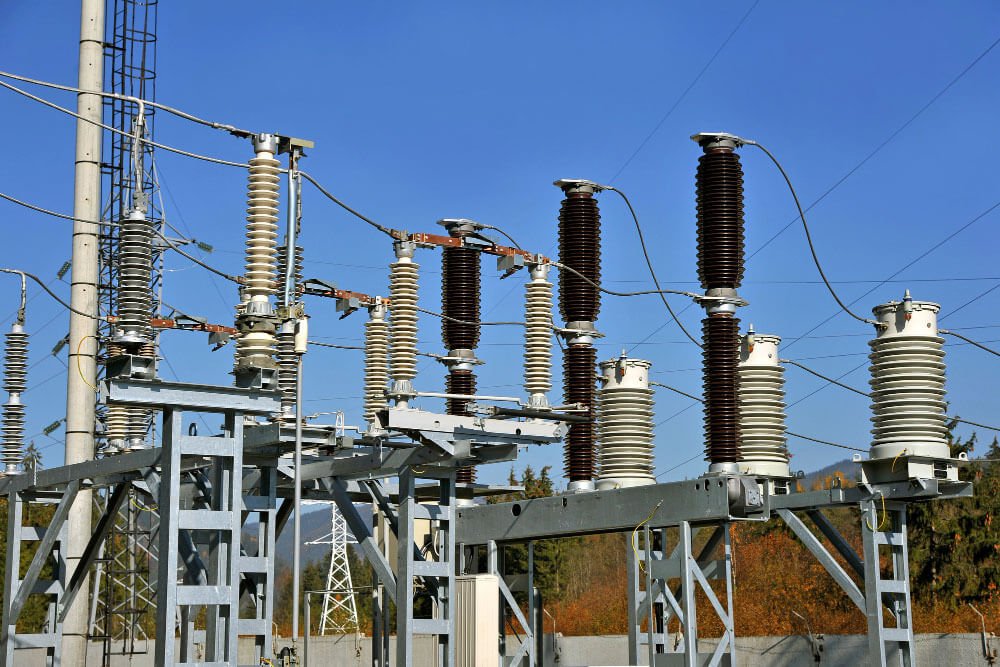
Power transmission is one of the most fundamental aspects of industrial machinery and mechanical systems. Every manufacturing facility, processing plant, construction site, mining operation, agricultural machine, or automated production line depends on efficient power transmission to convert energy into useful mechanical motion. Without reliable power transmission components, machines would not be able to transfer power from motors or engines to moving equipment, resulting in reduced productivity and operational failure. Whether it is a conveyor belt transporting materials, a gearbox driving heavy machinery, or a chain system operating an industrial production line, every application relies on carefully selected power transmission components working together.
Modern industries demand equipment that delivers maximum efficiency, minimum downtime, and long operational life. To achieve these goals, engineers must select high-quality power transmission products capable of handling varying loads, operating speeds, environmental conditions, and maintenance requirements. Components such as bearings, belts, pulleys, chains, sprockets, couplings, gearboxes, shafts, and locking devices all play essential roles in ensuring smooth and reliable machine performance. Each component has a specific function, and choosing the right combination directly affects machine efficiency, energy consumption, maintenance costs, and overall productivity.
As industries continue to adopt automation and advanced manufacturing technologies, the importance of dependable power transmission systems continues to grow. Businesses require solutions that not only deliver consistent performance but also reduce operational costs and improve equipment reliability. Understanding how each component functions and how they interact within a mechanical system enables engineers, maintenance teams, and purchasing professionals to make informed decisions that maximize equipment performance. This comprehensive guide explores the major power transmission components, their functions, applications, and the factors to consider when selecting them for industrial use.
What Are Power Transmission Components?
Power transmission components are mechanical elements designed to transfer power generated by an electric motor, engine, or other power source to the equipment performing the actual work. These components control speed, torque, direction of rotation, and mechanical movement while ensuring that energy is transmitted efficiently with minimal losses. Without these components, industrial machinery would be unable to perform essential tasks such as lifting, conveying, rotating, cutting, mixing, packaging, or manufacturing.
A complete power transmission system consists of multiple interconnected components that work together to deliver smooth and reliable performance. The motor generates rotational energy, which is transferred through shafts, couplings, belts, chains, gears, or gearboxes before reaching the driven equipment. Bearings support rotating shafts and reduce friction, while locking devices ensure secure assembly. Every component contributes to the overall efficiency and reliability of the machine.
Power transmission systems are used across numerous industries, including automotive manufacturing, mining, cement plants, food processing, packaging, pharmaceuticals, agriculture, steel production, textile manufacturing, logistics, and material handling. The performance of these industries depends heavily on selecting durable, high-quality transmission components capable of operating continuously under demanding conditions.
Industrial Bearings – The Foundation of Rotating Machinery
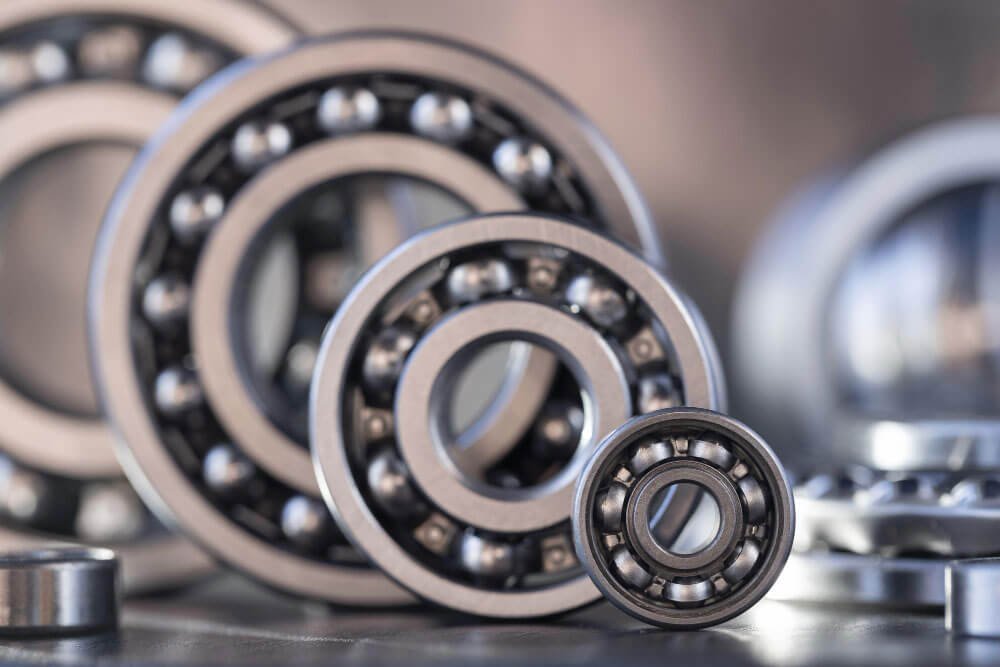
Bearings are one of the most important power transmission components because they support rotating shafts while minimizing friction between moving parts. By reducing friction, bearings improve efficiency, decrease wear, lower energy consumption, and extend machine life. Every rotating machine, from electric motors and pumps to conveyors and industrial gearboxes, relies on bearings for smooth operation.
Different types of bearings are designed for different operating conditions. Deep groove ball bearings are widely used for high-speed applications because they offer low friction and can accommodate both radial and moderate axial loads. Roller bearings provide higher load capacity and are suitable for heavy industrial machinery. Taper roller bearings handle combined radial and axial loads, while spherical roller bearings compensate for shaft misalignment in demanding environments such as mining and construction.
Selecting the correct bearing depends on several factors, including operating speed, load capacity, environmental conditions, lubrication methods, and maintenance requirements. High-quality bearings improve machine reliability, reduce vibration, minimize downtime, and contribute significantly to long-term operational efficiency.
Belts and Pulleys
Belts and pulleys form one of the most widely used power transmission systems in modern industry. They transmit rotational power between shafts while allowing flexibility in equipment layout and reducing vibration. Belt drive systems are commonly found in compressors, fans, agricultural equipment, HVAC systems, packaging machinery, textile machines, and industrial conveyors.
Several types of belts are available for different applications. V-belts are suitable for general industrial use because they provide reliable power transmission with minimal slippage. Timing belts feature precision teeth that synchronize rotating components without slipping, making them ideal for applications requiring accurate timing. Flat belts are commonly used in high-speed, long-distance transmission systems, while ribbed belts offer improved flexibility and higher efficiency.
Pulleys guide the belt while maintaining proper tension and alignment. Selecting the appropriate pulley diameter, material, and groove design ensures smooth power transfer and longer belt life. Regular inspection of belt tension, alignment, and wear helps prevent unexpected failures while maintaining system efficiency.
Chains and Sprockets
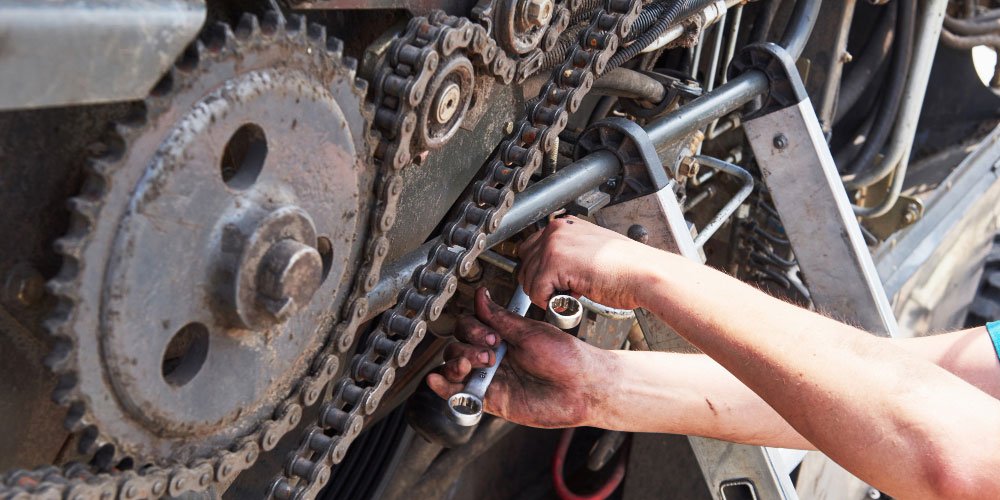
Chain drive systems are designed for applications requiring high torque transmission and positive mechanical engagement. Unlike belt drives, chains do not slip, making them ideal for heavy-duty industrial machinery where accurate synchronization and consistent power transfer are essential.
Roller chains are among the most common chain types used in conveyors, agricultural machinery, lifting equipment, packaging systems, motorcycles, and industrial production lines. Heavy-duty conveyor chains are specifically designed to transport materials under demanding operating conditions, while specialized chains are available for food processing, mining, and high-temperature environments.
Sprockets work together with chains to transfer power efficiently. Proper sprocket design, tooth profile, alignment, and lubrication significantly affect the performance and lifespan of the entire chain drive system. Regular inspection and lubrication help minimize wear, reduce noise, and improve overall operating efficiency.
Chain and sprocket systems are preferred for applications involving heavy loads, long operating hours, and challenging environments because of their durability, reliability, and ability to maintain precise mechanical synchronization.
Gearboxes and Speed Reducers
Gearboxes are essential components used to modify speed, torque, and direction of rotational motion within mechanical systems. They enable electric motors operating at high speeds to deliver the required torque for industrial machinery. Without gearboxes, many heavy-duty machines would be unable to generate sufficient force to perform their intended tasks.
Various gearbox designs are available depending on application requirements. Helical gearboxes provide smooth and quiet operation with excellent efficiency, making them suitable for conveyors, manufacturing equipment, and industrial automation. Worm gearboxes offer high reduction ratios within compact dimensions and are widely used in lifting equipment and material handling systems. Bevel gearboxes transmit power between intersecting shafts, while planetary gearboxes provide exceptional torque density and precision for robotics, heavy machinery, and automated manufacturing.
Selecting the correct gearbox involves evaluating torque requirements, operating speed, service factors, mounting arrangements, efficiency, and environmental conditions. Proper lubrication and routine maintenance ensure long service life while minimizing operational costs.
Importance of Selecting High-Quality Power Transmission Components
Power transmission systems operate continuously under demanding industrial conditions, making component quality a critical factor in overall equipment reliability. Low-quality or improperly selected components often result in increased friction, energy loss, excessive vibration, unexpected failures, and frequent maintenance. Investing in premium-quality transmission products significantly improves productivity while reducing long-term operating costs.
High-quality components are manufactured using precision machining, premium raw materials, advanced heat treatment processes, and strict quality control procedures. They provide better dimensional accuracy, higher load capacity, improved wear resistance, and longer operational life. In industries where production downtime can result in substantial financial losses, reliable power transmission components become a valuable investment rather than an expense.
When selecting transmission products, businesses should evaluate supplier reputation, product certifications, manufacturing standards, technical support, and after-sales service. Partnering with an experienced supplier ensures access to dependable products that consistently perform under challenging industrial conditions.
Applications of Power Transmission Components Across Industries
Power transmission components are essential in nearly every industrial sector because they enable machines to perform a wide range of mechanical operations efficiently. Manufacturing industries use bearings, gearboxes, belts, and couplings in production lines, assembly equipment, and automated machinery. Automotive manufacturers rely on precision transmission components for vehicle production, testing equipment, and engine assembly systems.
Mining and construction industries depend on heavy-duty bearings, chains, sprockets, and gearboxes capable of operating under extreme loads and harsh environmental conditions. Agricultural machinery uses power transmission products in tractors, harvesters, irrigation systems, and crop processing equipment. Food processing and pharmaceutical industries require corrosion-resistant transmission components that comply with strict hygiene standards while ensuring reliable performance.
Material handling systems, packaging machinery, textile manufacturing, steel plants, cement factories, logistics centers, renewable energy projects, and industrial automation all rely on properly selected power transmission components to maintain continuous production and maximize operational efficiency.
Conclusion
Power transmission components are the foundation of every efficient industrial machine. Bearings, belts, pulleys, chains, sprockets, gearboxes, couplings, shafts, linear motion products, and locking devices all work together to transfer power safely and efficiently from the driving source to the driven equipment. Selecting high-quality components, ensuring proper installation, and implementing regular maintenance practices significantly improve equipment reliability, reduce operational costs, and maximize productivity.
As industrial technology continues to evolve, businesses require dependable transmission solutions capable of supporting automation, higher production speeds, and continuous operation. Choosing the right supplier plays a crucial role in achieving these goals.
ASR MotionTech is committed to delivering reliable industrial bearings and complete power transmission solutions that help businesses improve efficiency, reduce downtime, and achieve long-term operational success. With quality products, technical expertise, global sourcing capabilities, and customer-focused service, we provide the trusted solutions industries need to keep their operations running smoothly and efficiently.